Definition
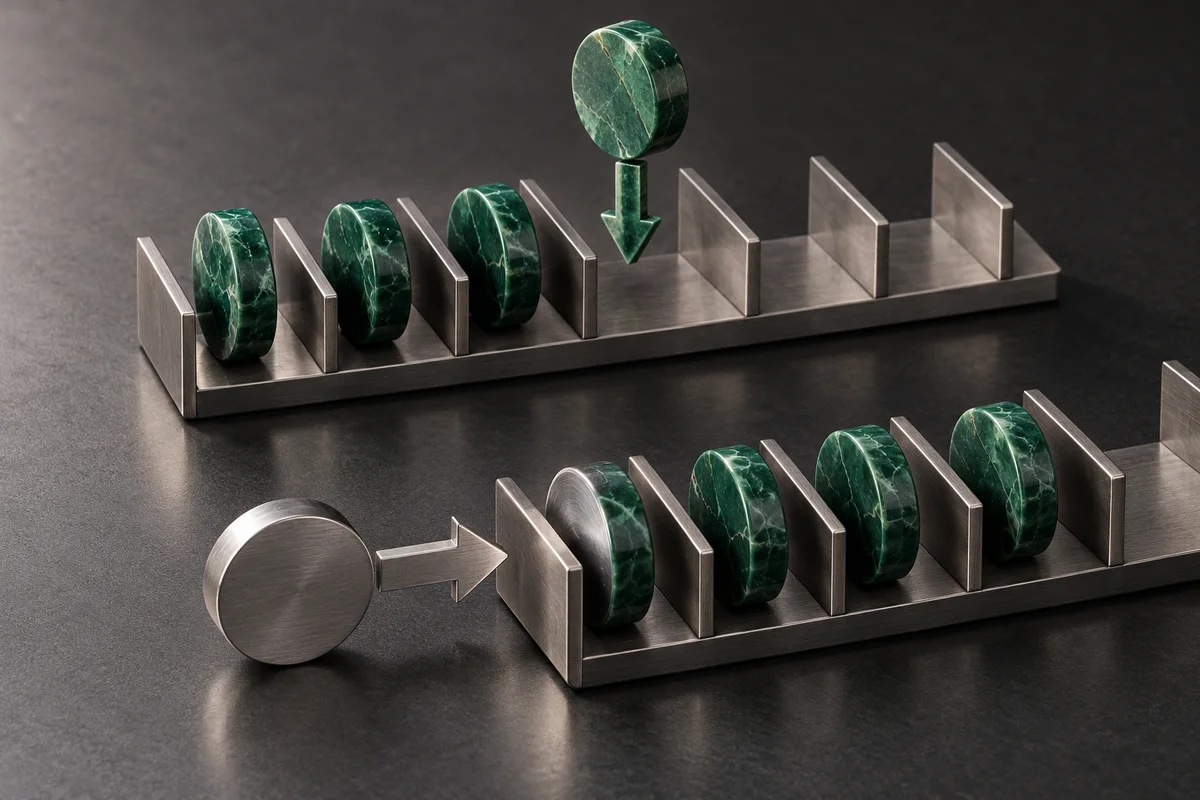
The distinction between an order that waits in the order book and an order that executes against liquidity already available in it.
What you need to know
On Coinbase Advanced, the immediately filled part of a limit order pays taker fees. A portion that rests on the book and fills later pays maker fees. One order can contain both classifications.
Hypothetical exercise: $300 of a $1,000 order fills immediately and $700 fills after resting. Assuming a 0.3% taker rate and a 0.2% maker rate, the charge is $0.90 + $1.40 = $2.30. These are not Coinbase rates. Treating the whole order as maker would give $2.
In your account's Coinbase Advanced fees area, compare the Fees, Tier requirements and Stablecoin pairs tabs. Match fills with the tier and product applicable at order time. Resting on the book can reduce a fee component while leaving the quantity unfilled. The exchange and wallet guide separates trading fees from withdrawal costs.
This information is for learning and comparison, not investment advice. Verify product details and eligibility conditions against the current source.
About our methodology